country
Portugal
Von der Saudade des Fado zum Bass von Lissabon. 200 Jahre Seele
Portugal durchhören
5 prägende Tracks in der Reihenfolge ihres Erscheinens, von 1953 bis 2012, jeder mit einer Zeile dazu, warum er zählt.
Vorschau: spielt 5 von 12 Tracks.
- 1950s
- 1960s
- 1970s
- 1980s
- 1990s
- 2000s
- 2010s
30-Sekunden-Vorschauen, gestreamt von Apple.
Die Hitliste
Die prägenden Tracks dieser Region
Vorschau: 5 von 12 Tracks
Desfado
Ana MouraAna Moura stieg durch Lissabons Fado-Häuser auf, bevor sie durch eine Zusammenarbeit mit den Rolling Stones internationale Anerkennung erlangte. Ihr Album 'Desfado' markierte eine mutige Abkehr und verband Fado mit elektronischen und Pop-Elementen, was die Erneuerungsfähigkeit des Genres bewies.
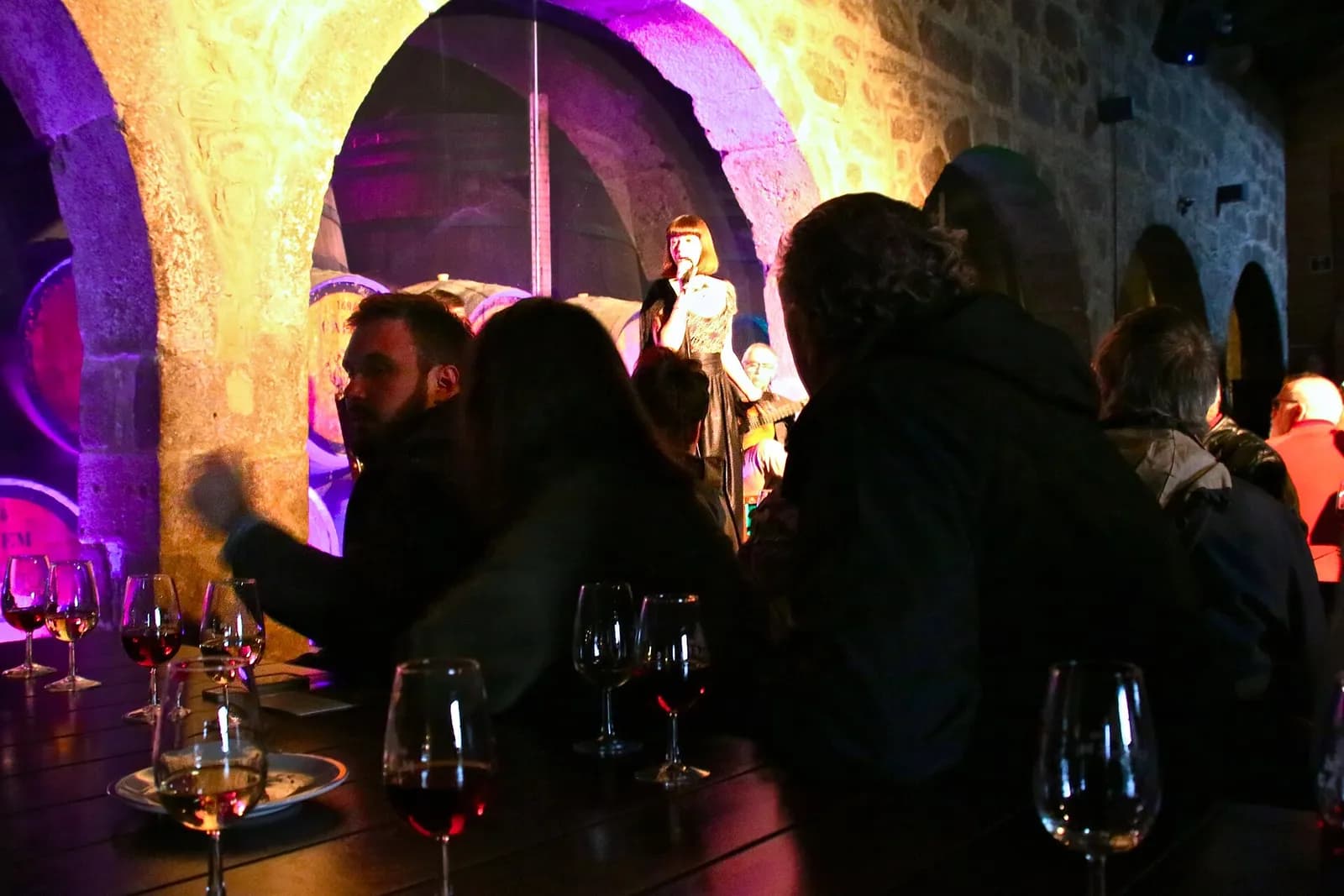
Portugals musikalische Identität beginnt mit dem Fado, geboren im frühen 19. Jahrhundert in den Arbeitervierteln Lissabons und von der UNESCO als immaterielles Kulturerbe anerkannt. Die Protestlieder von José Afonso waren die Klangkulisse der Nelkenrevolution von 1974, während der Rock-Português-Boom der 1980er bewies, dass die portugiesische Sprache Rock tragen kann. Heute geben Lissabons afro-diasporische Batida-Szene und der Hip-Hop Tuga Portugal einen der unverwechselbarsten modernen Klänge Europas.
Häufig gestellte Fragen
Was ist Portugals berühmtestes Musikgenre?+
Fado ist Portugals berühmtestes und kulturell bedeutendstes Musikgenre. Er entstand im frühen 19. Jahrhundert in den Arbeitervierteln Lissabons und ist geprägt von emotionaler Tiefe und dem Thema Saudade, einer typisch portugiesischen Form der Sehnsucht. 2011 nahm die UNESCO den Fado in die Liste des immateriellen Kulturerbes auf.
Welches Lied löste die portugiesische Revolution aus?+
José Afonsos 'Grândola, Vila Morena' wurde am 25. April 1974 um 0:20 Uhr im Radio gespielt, als vorab vereinbartes Signal für die Militäreinheiten, die Nelkenrevolution zu beginnen, die fast 50 Jahre Diktatur friedlich beendete. Das Lied bleibt Portugals politisch bedeutendstes Musikstück.
Wer ist die berühmteste Fado-Sängerin?+
Amália Rodrigues gilt allgemein als die größte Fado-Sängerin der Geschichte. Von den 1940er- bis in die 1980er-Jahre aktiv, verwandelte sie den Fado von einer Lissabonner Viertelstradition in eine weltweit anerkannte Kunstform. Als sie 1999 starb, rief Portugal drei Tage Staatstrauer aus. Im 21. Jahrhundert ist Mariza zur international bekanntesten lebenden Fadista geworden.
Zuletzt überprüft: 2026-09
Was ist Batida aus Lissabon?+
Batida ist ein in Lissabon entstandener elektronischer Musikstil, der angolanischen Kuduro, Kizomba, Funaná, House und Techno verbindet. Er entstand in den 2000er-Jahren in den afrodiasporischen Gemeinschaften der Stadt; Buraka Som Sistema machten ihn international bekannt und das Label Príncipe Discos verfeinerte seinen unverwechselbaren Sound. Batida gilt heute als eine der originellsten elektronischen Musikbewegungen Europas.
Wann begann der portugiesische Rock?+
Der Boom do Rock Português, die Explosion auf Portugiesisch gesungener Rockmusik, begann in den späten 1970er- und frühen 1980er-Jahren. Rui Velosos Hit 'Chico Fininho' von 1980 gilt oft als Durchbruch, der bewies, dass Rock auf Portugiesisch authentisch funktionieren kann. Bands wie Xutos & Pontapés und GNR aus Porto prägten die Ära.
Quellen & Referenzen
- 1A Canção de Lisboa: Uma Crónica da Canção em Portugal — Rui Vieira Nery, 2004Buch
- 2Para uma história do fado — Rui Vieira Nery, 2004Buch
- 3Fado: Princípios e Fundamentos — Joaquim Pais de Brito, 1994Buch
- 4Music of Portugal — Wikipedia Contributors, 2026
- 5UNESCO: Fado, urban popular song of Portugal — UNESCO, 2011
- 6Blitz: 25 Anos do Rock Português — Blitz, 2005
Weiterlesen
Über diesen Artikel
This page is based on documented Portuguese music history, fado cultural archives (UNESCO-inscribed 2011), Portuguese music journalism (Blitz, Expresso), and academic sources on fado, música de intervenção, and post-fado urban music.
Curated by the timeline.music editorial team. Every YouTube ID on this page has been verified live against the original recording.
▸Zeitleiste als Text lesen
Der Sound von Portugal, Jahrzehnt für Jahrzehnt: 6 Genres und 29 Künstler, von den 1920ern bis zu den 2020ern.
- 1920er
- Fado mit Marceneiro.
- 1940er
- Fado mit Marceneiro und Amalia.
- 1960er
- Fado mit Amalia und Carlos do Carmo; Folk / Musica de Intervencao mit Adriano C. de Oliveira und Jose Afonso.
- 1970er
- Fado mit Amalia und Carlos do Carmo; Folk / Musica de Intervencao mit Adriano C. de Oliveira, Jose Afonso und Sergio Godinho.
- 1980er
- Fado mit Amalia und Carlos do Carmo; Folk / Musica de Intervencao mit Jose Afonso und Sergio Godinho; Rock Portugues mit Rui Veloso, Xutos & Pontapes und GNR.
- 1990er
- Fado mit Carlos do Carmo; Rock Portugues mit Rui Veloso, Xutos & Pontapes und GNR; Post-Fado / World Crossover mit Madredeus und Dulce Pontes; Hip-Hop Tuga mit Sam the Kid.
- 2000er
- Fado mit Carlos do Carmo, Mariza und Ana Moura; Rock Portugues mit Rui Veloso, Xutos & Pontapes und GNR; Post-Fado / World Crossover mit Madredeus und Dulce Pontes; Hip-Hop Tuga mit Sam the Kid und Valete; Batida / Kuduro / Electronic mit Buraka Som Sistema.
- 2010er
- Fado mit Mariza und Ana Moura; Rock Portugues mit Xutos & Pontapes; Post-Fado / World Crossover mit Dulce Pontes und Carminho; Hip-Hop Tuga mit Sam the Kid, Valete und Plutonio; Batida / Kuduro / Electronic mit Buraka Som Sistema, DJ Marfox und Dino d'Santiago.
- 2020er
- Fado mit Mariza und Ana Moura; Rock Portugues mit Xutos & Pontapes; Post-Fado / World Crossover mit Carminho; Hip-Hop Tuga mit Plutonio; Batida / Kuduro / Electronic mit DJ Marfox und Dino d'Santiago.