country
Portugal
From fado's saudade to Lisbon's bass. 200 years of soul
Listen through Portugal
5 defining tracks in the order they were released, from 1953 to 2012, each with a line on why it matters.
Preview: plays 5 of 12 tracks.
- 1950s
- 1960s
- 1970s
- 1980s
- 1990s
- 2000s
- 2010s
30-second previews, streamed from Apple.
The Hitlist
The defining tracks from this region
Preview: 5 of 12 tracks
Desfado
Ana MouraAna Moura rose through Lisbon's fado houses before gaining international recognition through a collaboration with the Rolling Stones. Her album Desfado marked a bold departure, blending fado with electronic and pop elements, proving the genre's capacity for reinvention.
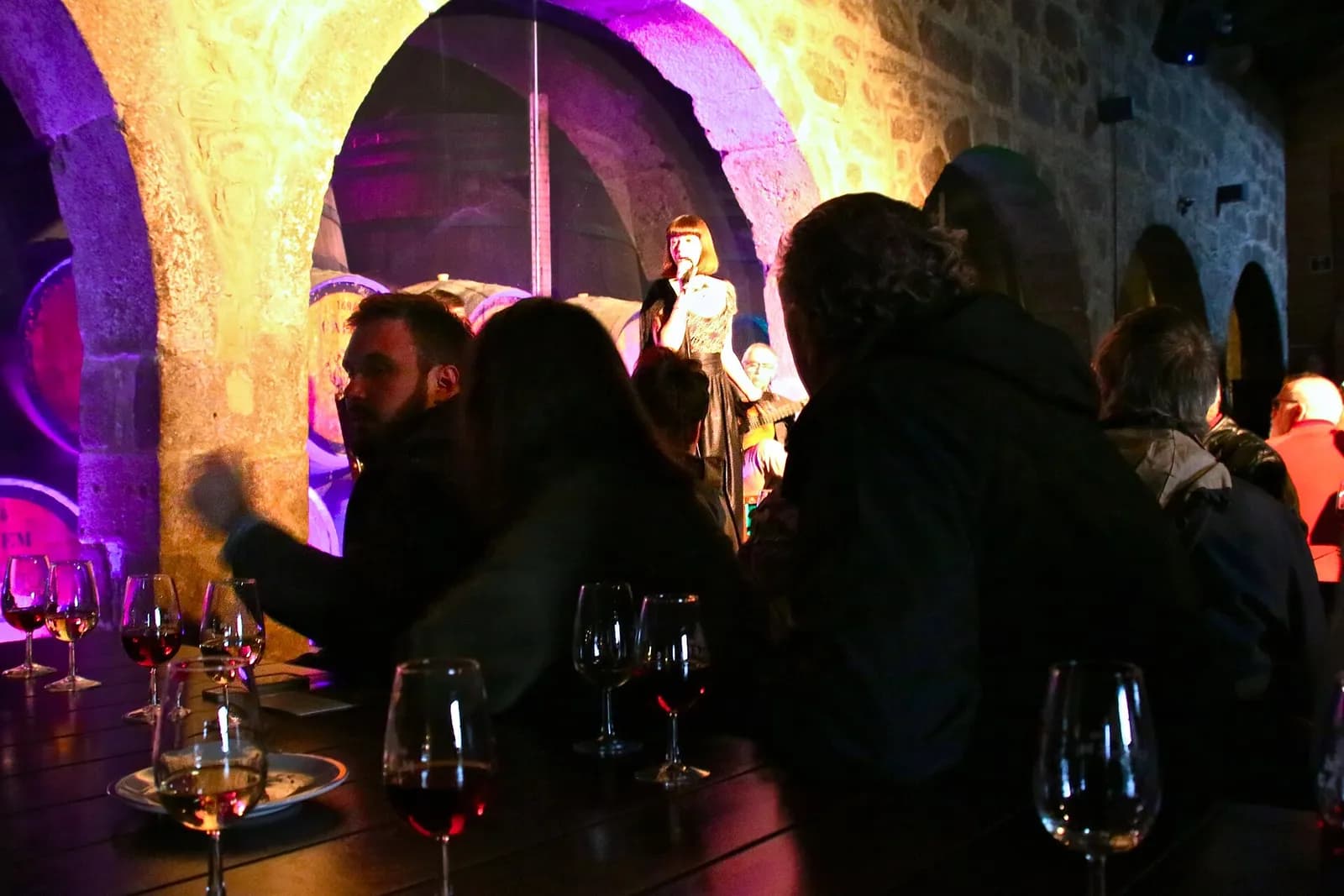
Portugal's musical identity begins with fado, born in Lisbon's working-class neighborhoods in the early 19th century and inscribed by UNESCO as Intangible Cultural Heritage. The protest songs of Jose Afonso soundtracked the Carnation Revolution of 1974, while the 1980s rock portugues boom proved the language could carry rock. Today, Lisbon's Afro-diasporic batida scene and hip-hop tuga give Portugal one of Europe's most distinctive modern sounds.
Frequently Asked Questions
What is Portugal's most famous music genre?+
Fado is Portugal's most famous and culturally significant music genre. Born in Lisbon's working-class neighborhoods in the early 19th century, fado is defined by its emotional depth and themes of saudade, a uniquely Portuguese sense of longing. UNESCO inscribed fado as Intangible Cultural Heritage in 2011.
What song started the Portuguese revolution?+
Jose Afonso's 'Grandola, Vila Morena' was broadcast on radio at 12:20 AM on 25 April 1974 as the pre-arranged signal for military units to begin the Carnation Revolution, which peacefully ended nearly 50 years of dictatorship. The song remains Portugal's most politically significant piece of music.
Who is the most famous fado singer?+
Amalia Rodrigues is universally regarded as the greatest fado singer in history. Active from the 1940s through the 1980s, she transformed fado from a Lisbon neighborhood tradition into a globally recognized art form. When she died in 1999, Portugal declared three days of national mourning. In the 21st century, Mariza has become the most internationally recognized living fadista.
What is batida music from Lisbon?+
Batida is a Lisbon-born electronic music style that fuses Angolan kuduro, kizomba, funana, house, and techno. It emerged from the city's Afro-diasporic communities in the 2000s, with Buraka Som Sistema bringing it to global attention and the Principe Discos label refining its distinctive sound. Batida is now recognized as one of the most original electronic music movements to emerge from Europe.
When did Portuguese rock start?+
The boom do rock portugues (the explosion of rock music sung in Portuguese) began in the late 1970s and early 1980s. Rui Veloso's 1980 hit 'Chico Fininho' is often cited as the breakthrough moment, proving that rock could work authentically in Portuguese. Bands like Xutos & Pontapes and GNR from Porto defined the era.
Sources & References
- 1A Canção de Lisboa: Uma Crónica da Canção em Portugal — Rui Vieira Nery, 2004Book
- 2Para uma história do fado — Rui Vieira Nery, 2004Book
- 3Fado: Princípios e Fundamentos — Joaquim Pais de Brito, 1994Book
- 4Music of Portugal — Wikipedia Contributors, 2026
- 5UNESCO: Fado, urban popular song of Portugal — UNESCO, 2011
- 6Blitz: 25 Anos do Rock Português — Blitz, 2005
Further Reading
About This Article
This page is based on documented Portuguese music history, fado cultural archives (UNESCO-inscribed 2011), Portuguese music journalism (Blitz, Expresso), and academic sources on fado, música de intervenção, and post-fado urban music.
Curated by the timeline.music editorial team. Every YouTube ID on this page has been verified live against the original recording.
▸Read the timeline as text
The sound of Portugal, decade by decade: 6 genres and 29 artists, from the 1920s to the 2020s.
- 1920s
- Fado with Marceneiro.
- 1940s
- Fado with Marceneiro and Amalia.
- 1960s
- Fado with Amalia and Carlos do Carmo; Folk / Musica de Intervencao with Adriano C. de Oliveira and Jose Afonso.
- 1970s
- Fado with Amalia and Carlos do Carmo; Folk / Musica de Intervencao with Adriano C. de Oliveira, Jose Afonso and Sergio Godinho.
- 1980s
- Fado with Amalia and Carlos do Carmo; Folk / Musica de Intervencao with Jose Afonso and Sergio Godinho; Rock Portugues with Rui Veloso, Xutos & Pontapes and GNR.
- 1990s
- Fado with Carlos do Carmo; Rock Portugues with Rui Veloso, Xutos & Pontapes and GNR; Post-Fado / World Crossover with Madredeus and Dulce Pontes; Hip-Hop Tuga with Sam the Kid.
- 2000s
- Fado with Carlos do Carmo, Mariza and Ana Moura; Rock Portugues with Rui Veloso, Xutos & Pontapes and GNR; Post-Fado / World Crossover with Madredeus and Dulce Pontes; Hip-Hop Tuga with Sam the Kid and Valete; Batida / Kuduro / Electronic with Buraka Som Sistema.
- 2010s
- Fado with Mariza and Ana Moura; Rock Portugues with Xutos & Pontapes; Post-Fado / World Crossover with Dulce Pontes and Carminho; Hip-Hop Tuga with Sam the Kid, Valete and Plutonio; Batida / Kuduro / Electronic with Buraka Som Sistema, DJ Marfox and Dino d'Santiago.
- 2020s
- Fado with Mariza and Ana Moura; Rock Portugues with Xutos & Pontapes; Post-Fado / World Crossover with Carminho; Hip-Hop Tuga with Plutonio; Batida / Kuduro / Electronic with DJ Marfox and Dino d'Santiago.