Three nights in Kinshasa before the Rumble in the Jungle
James Brown, Celia Cruz with the Fania All Stars, Franco and Tabu Ley shared one stadium stage in September 1974. The fight they had come to warm up was postponed by six weeks; the music happened anyway.
Footage: Fania All Stars "Live In Africa" - Quimbara (Celia Cruz), published by Fania Records on YouTube
- 3, 22 to 24 September
- Days
- Stade du 20 Mai, Kinshasa
- Stadium
- Postponed to 30 October
- The fight
- 2008, as Soul Power
- Footage released
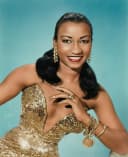
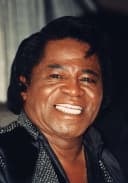
Zaire 74 was built as the opening act for Muhammad Ali against George Foreman. The promoters flew a planeload of Black American and Latin stars to Kinshasa for a three-day festival at the Stade du 20 Mai: James Brown and his band, B.B. King, Bill Withers, the Spinners, Miriam Makeba, Manu Dibango and the Fania All Stars, with Celia Cruz singing in front of a crowd that knew her records better than she expected. On the same bills stood the giants of Congolese music, Franco and TPOK Jazz, Tabu Ley Rochereau and Abeti Masikini, whose rumba had been shaped by Cuban 78s decades earlier.
Days before the festival Foreman cut his eye in training and the fight slipped to 30 October. The concerts went ahead on 22, 23 and 24 September without the boxing crowd, in front of an audience that was overwhelmingly Congolese. Celia Cruz's Quimbara, driven by the Fania rhythm section, is the clip most often shown: son and guaguancó being sung back to the continent they came from.
The film footage was tied up in legal disputes and sat in vaults for more than twenty years. It surfaced first in When We Were Kings, the 1996 documentary about the fight, and then in full in Soul Power in 2008, which is why a festival that almost nobody outside Kinshasa saw at the time is now one of the best-documented concerts of the seventies.
Who was there
Where
Sources
- Zaire 74 · Wikipedia
- Soul Power (film) · Wikipedia
- The Rumble in the Jungle · Wikipedia
More moments

ABBA win Eurovision in Brighton and the world learns their name
On 6 April 1974 four Swedes in satin and platform boots sang Waterloo at the Brighton Dome, with a conductor dressed as Napoleon. Sweden had never won the contest. Pop was about to change hands.

Bob Marley joins the hands of two enemies over his head
Sixteen months after gunmen had shot him at home, Bob Marley came back to Kingston, called the prime minister and the opposition leader onto the stage during Jammin', and held their hands together in the air.